
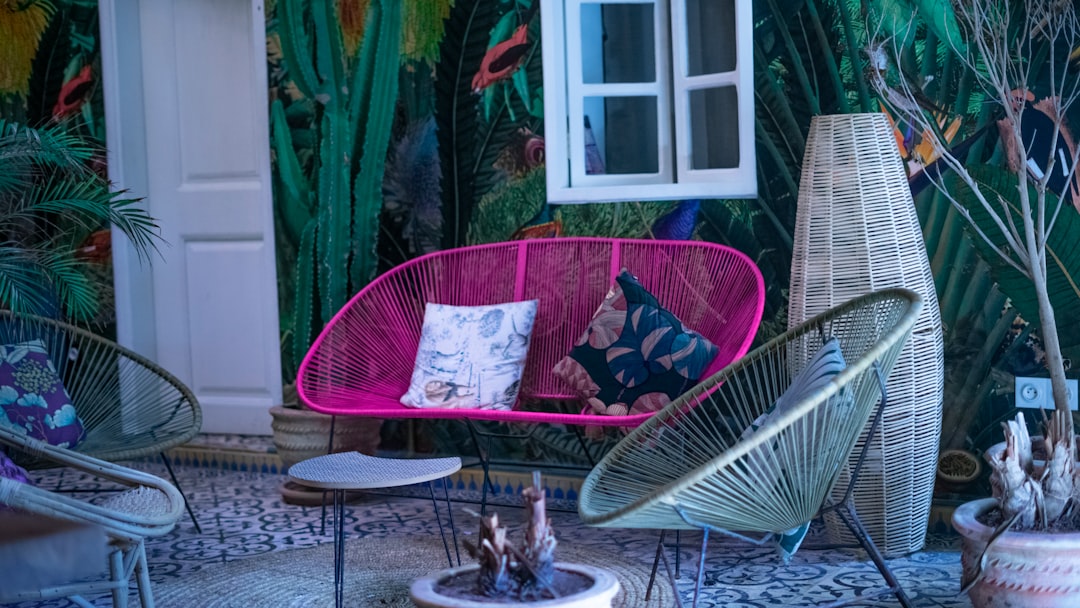
How to Use Color to Enhance Your Home Decor Style

Color plays a pivotal role in home decor, influencing mood, perception, and even the functionality of a space. Understanding how to effectively use color can transform your home into a sanctuary that reflects your personality and meets your needs. Whether you are looking to create a calming retreat or a vibrant gathering space, the right color choices can make all the difference.
Understanding Color Psychology
Color psychology is the study of how colors affect human behavior and emotions. Different colors evoke different feelings; for instance, blue is often associated with tranquility, while yellow can inspire happiness and energy. By understanding these associations, you can select colors that align with the atmosphere you wish to create in each room of your home.
When planning your color scheme, consider the purpose of each space. A home office may benefit from calming blues to enhance focus, while a dining area could use warm reds or oranges to stimulate conversation and appetite. By aligning color choices with the intended use of each room, you can create a harmonious flow throughout your home.
Choosing a Color Palette
Creating a cohesive color palette is essential for a well-designed home. Start by selecting a primary color that resonates with you, then choose complementary colors that enhance it. A common approach is to use the 60-30-10 rule, where 60% of the room is the dominant color, 30% is a secondary color, and 10% is an accent color.
For example, if you choose a soft gray as your primary color, you might pair it with a deeper charcoal for contrast and a vibrant yellow as an accent. This method not only ensures balance but also allows for personal expression through color. Remember to test paint samples in different lighting to see how they interact with your space throughout the day.
Incorporating Color Through Accessories
If you are hesitant to commit to bold wall colors, consider incorporating color through accessories. Decorative items such as cushions, rugs, and artwork can introduce vibrant hues without overwhelming the space. This approach allows for flexibility; you can easily change accessories to refresh your decor with the seasons or trends.
Additionally, layering colors through textiles can add depth and interest to your home. For instance, a neutral sofa can be dressed up with colorful throw pillows and a patterned blanket, creating an inviting and dynamic look. This method is particularly effective for those who enjoy changing their decor frequently without the need for extensive renovations.
Using Color to Define Spaces
Color can also be a powerful tool for defining different areas within an open-concept space. By using varying colors or shades, you can create visual boundaries that help delineate functional areas. For example, a kitchen and dining area can be separated by painting the kitchen in a warm beige while the dining area is a cool blue.
This technique not only enhances the aesthetic appeal but also improves the functionality of your home. It allows for a seamless transition between spaces while maintaining a sense of unity. Consider using paint, wallpaper, or even decorative screens to achieve this effect.
Checklist: Quick Wins for Color Enhancement
To get started on enhancing your home decor with color, follow this simple checklist: 1. Identify the mood you want to create in each room, 2. Choose a cohesive color palette using the 60-30-10 rule, 3. Incorporate color through accessories for flexibility and seasonal updates.
By taking these actionable steps, you can quickly elevate your home’s decor and create an environment that is both beautiful and functional. Remember, the key to successful color application is to experiment and have fun with the process. Your home should be a reflection of your unique style and preferences.